Should We Fear Darkness?
In contemporary society, there’s a prevalent emphasis on promoting positivity as the ultimate solution. This pervasive ideology instills in younger generations the belief that negatives can be eradicated through sheer willpower, fostering an unrealistic worldview. The idea that no negatives can exist about you, for you, or around you if you don’t wish them to be. This idea that everything is all ‘love and light’ is not only setting unrealistic expectations for children on how the world should be, but it also manipulates young impressionable minds into thinking that the world simply resolves around them -8th place trophy anyone? When we begin to give value to everything and everyone, everything loses value by proxy.
Is Negativity Always a Bad Thing?
When we think of the word ‘negative’ we tend to recoil like a bad smell that just wafted through the door. So often the word has been used to describe something undesirable as if the undesirable outcome was the root cause of the distress. More often than not the distress comes from the associated negative emotions we feel due to the situation than the actual undesirable incident itself. For example, what if you rushed out the door to get to a meeting on time only to forget your all-important paperwork? You show up on time only to feel foolish and embarrassed in front of your colleagues and boss. In this situation, many would say that the worst part was forgetting your presentation and not being able to present your project as planned. Alas, it’s not the instant letdown and disappointment from others that generates the most negative emotion but the implications these actions generate for you later on exacerbate the felt negative associations of the event. In this scenario, such implications could range from losing the respect of your peers, being passed over for important opportunities in the future to even being fired! The anxiety alone is enough to have people searching for a way to escape feeling ‘negative’ for life.
From this scenario, we are likely to see one of two things; either that negativity is horrendous and should be avoided at all costs, or that negative feelings are useful and can be used to help guide us to make better decisions in the first place. If we continue to tell people that ‘everyone is a winner’, not only do we encourage the likelihood of these children developing into people with highly hedonistic tendencies and narcissistic personalities, but we deprive them of having opportunities to make mistakes and learn the power of forgiveness. Going back to our scenario, we can see how easy it would be to fall into fear if you had been brought up to be selfish and that you deserve only positive outcomes. Perhaps you’d quit your job to avoid facing up to potentially embarrassing conversations or maybe you’d make up a cover story to blame someone else for your own mistakes. Either way, if you see feeling negative emotions as the worst thing that could happen to you then you’ll never be able to objectively learn from uncomfortable situations or make any real changes.
On the other hand, we have the option to allow ourselves to be okay with experiencing temporary discomfort so we can turn to look for more positive solutions. Perhaps we have to admit we made a mistake. We need to apologize to our co-workers and put in the work to show them how we will avoid this situation from happening again. Maybe we need to allow ourselves to look inward and analyse our own faults before we start blaming other people and external forces for our discomfort.
So You Want Everyone To Be Happy All The Time?
Whilst many children being raised in this narcissistic ‘everyone’s a winner’, we can also see a rise in those looking to people please to make their life as simple as possible. After all, if you are perceived you to be doing ‘the right thing’, you must be happy right? Unfortunately, those who base their emotional wellbeing solely on others will ultimately never be fulfilled because they never garnered enough self-expression. As a result, many of these people will end up developing some kind of internalized self-hatred or a form of toxic positivity to compensate for their constant need to please others at their own expense.
Brave New World Anyone?
Wanting everyone to be happy all the time is no new concept. To think that Brave New World was written in the 1930s with the idea of everyone dosing themselves with ‘soma’ to keep those pesky negative and rebellious feelings at bay. To me, it seems like a powerful premunition for us during these times. When we see how important it was for everyone to be compliant, to be happy all the time, and to feel responsible for making everyone else feel happy all the time we can also see how desperate the powers at be were to avoid any kind of dissatisfaction which would lead to analysis and ultimately change. If we choose to see how we as a society are trying to be swayed to prize happiness and hedonistic pleasure above meaning and growth, through Huxley’s analogy, then we have already been forewarned on the price we will pay if we choose to fear negative emotion above all.
Having soma used as a mandatory way for people to self-medicate away their fears is not too far from the truth for many of us. Some will be stigmatised for their self-destructive habits. Alcoholism, drug abuse, and gambling to name a few. Unfortunately, within our hedonistic society, so many more will be self-soothing their worries with socially acceptable mechanisms such as people-pleasing, frivolous hookups and even online shopping. Within Brave New World, this was a socially acceptable way to live your life, it’s scary to see how so many people today are living a life akin to a 1930s dystopian novel.
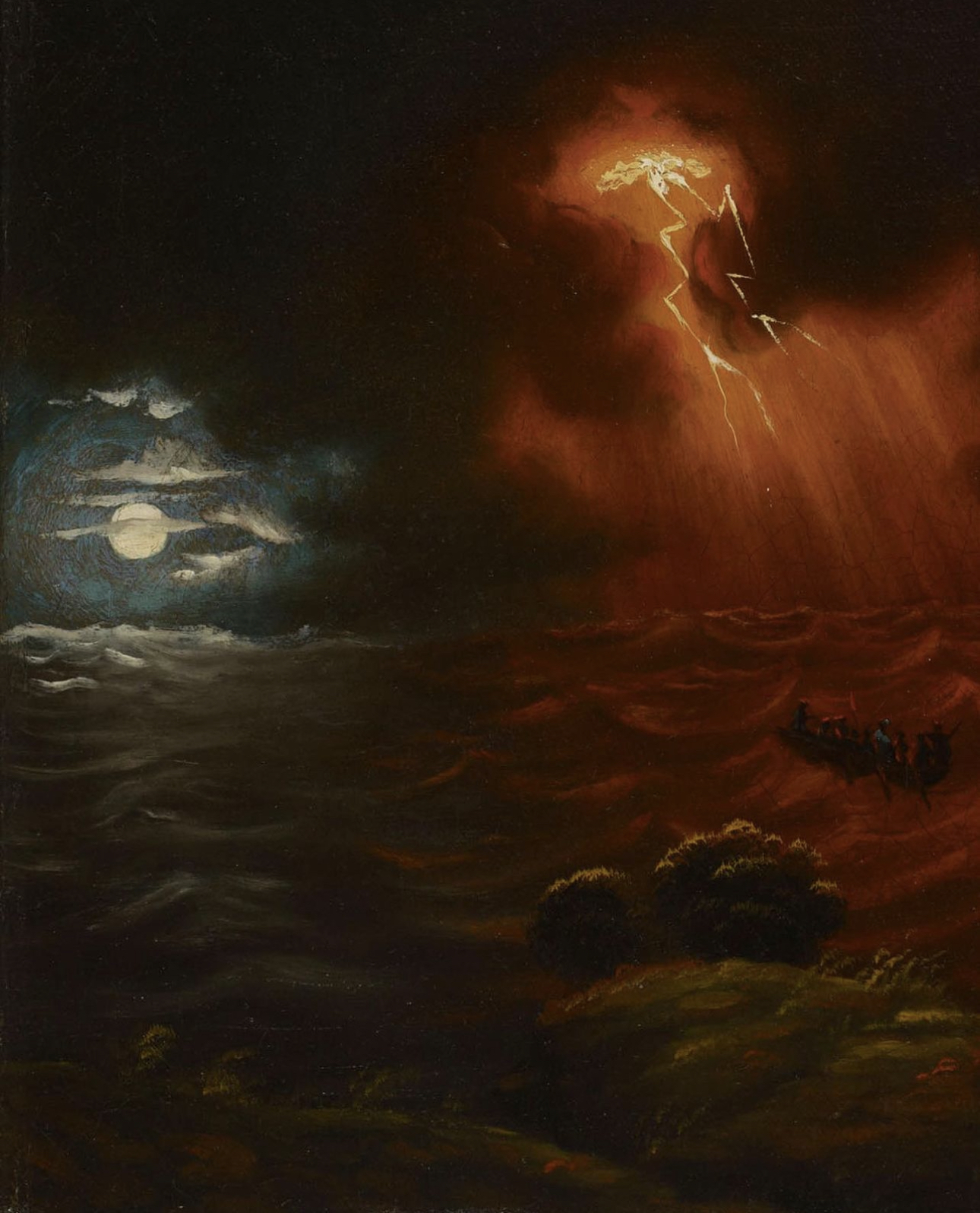
If as a society we prize bliss and a message of ‘love and light’ above all else, what will happen to our shadows if they are forever left in the dark to amass and culminate? Often as children we are scared of the dark. Shadows that creep in through our windows and the idea that monsters may be hiding under our bed, ready to pounce on us as soon as we are asleep. The adults would tell us not to be silly, that monsters aren’t real and nothing will spring itself upon you whilst you’re not conscious. But what if children have had it right all along? It is true if you continue to hide your dirty laundry and you never self-analyse or choose to work on your short-comings, then in the end something will possess you. If we continually choose to hide away and leave our secrets the fester in the subconscious mind over time they will grow to a point where you can no longer ignore them.
How Do We Become No Longer Afraid Of The Dark?
First of all, we have to acknowledge that for there to be light, there also has to be darkness. Light represents the known whilst darkness represents the unknown. As children we are inherently afraid of the unknown because we have no get grounded ourselves readily enough in reality to be equipped to properly interpret the unknown. To become responsible adults, we need to have learnt how our society operates, how to make mistakes and how to learn from them and above all else, how to know when we need to change.
Wouldn’t it have been great as child for you to be taught how to be brave. Instead of being told that monsters aren’t real (which if we’re honest we didn’t really believe) we were taught how to experiment with darkness and that you would be safe because adults are bigger and stronger than any childhood monster so they are able look out for you. Perhaps persuading you to put your foot out of the bed for two minutes and see if anything happened. Or allowing you to put the light on when you wanted but to see how long you could switch it off. As children we need to experiment, to test out our theories and fears to build self-confidence and our worldly perception.
Now as adults, we need to start thinking the same way. Maybe you’ve noticed how compulsively drown yourself in ice cream when something doesn’t go your way at work or your relationship is on the rocks. Perhaps you’re starting to sense some tension emerging from the group when you snap to respond to critical comments. We all have our own monsters, some of us will be closeting a great big monster and others will be amassing a mini army of little fiends. Regardless, the only way we can become strong enough to overcome them is to allow ourselves to become immersed in their world, to shine some conscious light onto the shadows, little by little. With time, you will feel yourself getting braver, the weight of your problems becoming smaller and the actions you will need to take to defeat the monster will become clearer. The only way we can fight monsters if we acknowledge that they exist. Let’s start doing kids a favour, don’t tell them that monsters aren’t real.
